
PR EDA : 572-335-4994

Real estate attorneys provide their clients with various services, including reviewing and negotiating contracts, conducting title searches, overseeing closings and charging hourly rates for legal advice.
Hiring an experienced real estate attorney is likely to save you money in the long run. Closing costs associated with house sales can quickly escalate; an attorney can help reduce these fees by negotiating and managing the transaction effectively.
Closing costs are fees and payments required at the conclusion of a real estate transaction, typically made at closing. Closing expenses may differ significantly depending on where you live and type of mortgage chosen. It is wise to become familiar with these expenses prior to closing so as to find the most cost-effective rates possible.
Some of the most frequently occurring closing costs include attorney fees, escrow charges, and courier fees. Attorney fees cover the cost of hiring a real estate attorney to assist in coordinating and drawing up paperwork; an escrow charge typically ranges between 1-2% of home’s sale price; courier fees cover transporting mortgage documents.
Other closing costs may include appraisal fees, survey fees and title insurance premiums. Appraisals help determine property value while survey fees verify that title to the home is free from liens. Furthermore, private mortgage insurance (required when making down payments of less than 20%) should typically be paid at closing as well.
Closing costs refer to fees charged by mortgage lenders, appraisers, and other parties involved in purchasing a home. They range from title fees and attorney’s fees, typically paid at closing table before new homeowner takes ownership. Closing costs can become quite expensive quickly; typically they fall to buyer; however some can be split with seller as part of negotiations between both parties involved in selling the property.
Niyazov suggests several strategies for lowering closing costs, such as hiring an attorney with a flat rate and prepaying transfer taxes in advance. He also advises asking lenders for appraisal waivers that can save on appraisal costs.
Buyers can get help with closing costs from HUD programs and private banks, as well as companies offering cash home purchases in New York who will assist buyers with closing costs and down payments.
Closing costs may include fees associated with property appraisal, survey, mortgage insurance and recording. Furthermore, depending on the loan type and down payment amount a borrower may need to pay private mortgage insurance (PMI) premiums which will be deducted monthly from an escrow account and paid out periodically.
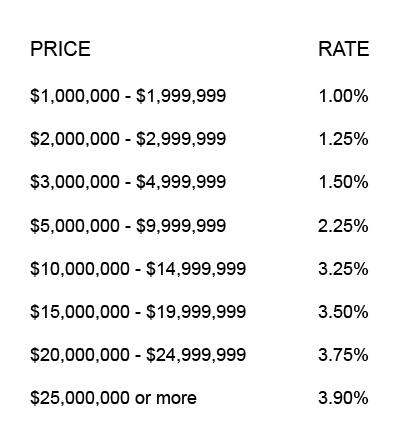
Closing costs vary widely by state, with New York having some of the highest. They usually range between 2% and 5% of the sale price plus taxes and other government-imposed fees; sellers may negotiate buyer incentives to offset some of these expenses in difficult markets.
Buyer closing costs also include lender-charged fees such as the loan application fee and credit reporting fee, along with potential additional expenses such as survey and tax monitoring fees charged by tax monitoring and status research companies to verify calculations for property taxes as well as alert lenders if ongoing payments fall behind schedule.
As part of buying or selling a home in New York, there are certain closing costs which must be paid. These fees cover attorney’s fees, transfer taxes and title insurance fees as well as notary services and document preparation charges which will usually appear on a closing statement and must be settled when closing takes place.
An attorney specializing in real estate can assist with understanding these fees and making the transaction as seamless as possible, providing advice on any issues that might arise during a transaction. There are two forms of fees related to attorney services – per transaction fees and hourly rates.
Per transaction rates may seem costly, but they could be well worth your while if your transaction requires extensive legal services. A complex commercial deal or highly negotiated negotiation may necessitate additional legal services while residential sales typically need less legal work done on them.