
PR EDA : 572-335-4994
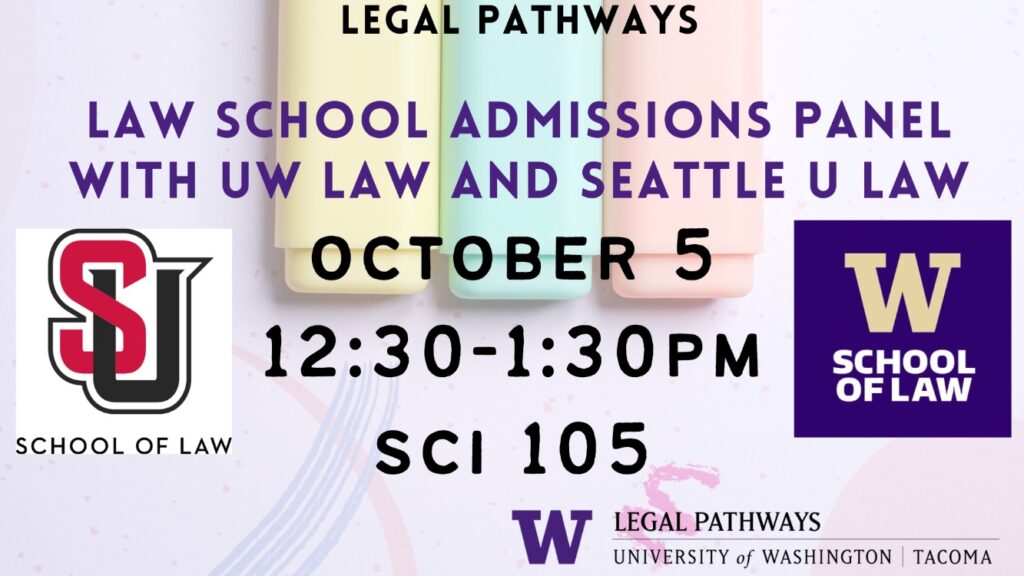

Law school admissions processes can seem to move slowly when waiting for a decision, but understanding their timeline will allow you to plan effectively.
Start searching law schools that would best meet your needs using databases, guidebooks, and online research. Consider attending law school admissions fairs hosted by either your undergraduate institution or LSAC to explore your options further.
Though there is no ideal time or date to apply to law school, we advise starting the process early – and well ahead of your schools’ recommended deadlines – in order to give yourself enough time for research, timeline planning, retaking the LSAT (if needed), personal statement revision, optional essay rewrite, resume preparation and recommendation letter submission via LSAC Credential Assembly Service and credential assembly service submission.
Timely application gives you the best opportunity of discovering housing options in the area surrounding your prospective law school, should you plan to relocate. Furthermore, attending admitted student open houses and orientation will allow you to consider your schools more critically while being able to pose more focused questions. Also remember that many law schools operate on rolling admissions basis so applying early gives you the best chance at winning merit scholarships!
As law school admissions season is underway, applicants are still in the throes of honing their LSAT scores and filling out applications. While this process typically takes one or more years for most students, it is critical to understand when schools begin accepting and considering applications so as not to leave your application submission till the last minute – particularly those considering early decision applications which typically have much earlier submission windows than regular admissions.
Applying to law school requires revision of resumes and writing of additional essays such as diversity statements or addendum. Take care in editing these documents as poor writing can get your application rejected even with great GPA and LSAT scores.
At this stage, it’s wise to request transcripts from all undergraduate and graduate schools attended, file the FAFSA if applicable, and connect with potential recommenders so they have enough time to draft an impressive letter of reference.
The month following September marks the start of law school application season. This is an especially crucial time to submit applications to ABA-approved law schools with relatively high U.S. News & World Report rankings; schools will want applicants who will raise median GPA and LSAT scores and therefore are more likely to admit students who apply in November rather than February.
Law schools operate on a rolling admissions cycle, meaning they evaluate applications continuously until their deadline. By applying in November you still stand a good chance of being considered on time for programs offering scholarships or waitlist placement.
Focus this month on finishing all remaining components of your application–from requesting transcripts from undergrad schools and submitting them directly to LSAC’s CAS to applying for programmatic scholarships available to you, to polishing up personal statements/application essays with help from trusted individuals.
December is an ideal time for you to continue submitting applications, secure letters of reccommendation, retake the LSAT (if needed) and proofread your personal statement, optional essays and resume. Also take this time to connect with admissions staff at schools you are applying to so they can answer any of your queries or offer any assistance they may be offering.
If you plan on applying through early decision, your application must be submitted no later than late November/early December at the latest. Remember that early decision applications are binding – if accepted with an offer through early decision, all other applications must be withdrawn at other schools.
For applicants not applying via early decision, February should be your goal for submission of their applications. Most law schools use rolling admissions systems that consider applications throughout their review cycle – though your chances of acceptance could decline after February (check each school’s deadline page to learn more). It is also an ideal time to apply for any programmatic scholarships you would like considered for at this stage.
After you’ve submitted your applications, the next step will be waiting. While this can be nerve-wracking, try staying calm and remember that all your hard work has already paid off!
As your application status becomes known, take time to monitor it regularly and prepare for law school’s start date by researching housing options and wrapping up loose ends.
Consider taking or retaking the LSAT, if necessary. Take a practice test, and begin writing your personal statement, remembering to create an effective piece that highlights who you are as an individual.
When applying to spring semester or summer start programs, be sure to research LSAC deadlines and registration dates carefully. Most schools require that CAS reports be submitted by January; for scholarships with priority deadlines it may be difficult gaining admission or qualifying for scholarships if these dates pass unmet.
At this stage of law school application season, you have reached its climax. After conducting thorough research and compiling a list of schools to apply to, it is time to begin writing your personal statement; ideally for each application school you should produce different versions if possible. It is vital that you allow yourself enough time for this step and seek outside editing expertise if possible as poorly written essays could get rejected even with exceptional LSAT and GPA scores.
At this stage, it is also crucial that you register with LSAC’s Credential Assembly Service (CAS). CAS will compile all your LSAT score reports, transcripts and letters of recommendation into an official report that can then be sent off to schools you’ve selected – most ABA-approved schools require this step as one of their requirements! CAS should therefore be seen as one of the key steps of the entire process.
Early decision is often the last opportunity for schools to receive your application, so it is crucial that you keep moving with all of your applications at this stage.
Most law school applications close in early March. Any applications submitted after this point could compromise your chances of acceptance and scholarship support, possibly leading to further delays.
At this stage, it’s also essential to tie up loose ends, including providing any requested supplemental materials, communicating with recommenders, and finalizing housing arrangements as needed. Remember to be patient as law schools typically send out admission decisions after two months have passed.
Law schools differ significantly from undergraduate institutions by employing rolling admissions; that means they begin reviewing applications soon after receiving them and hand out acceptance letters as seats become available. Applying early increases your odds of acceptance as well as receiving substantial scholarships – particularly important if your GPA and LSAT scores fall below medians at particular law schools.
Law school applications typically remain open through early April; however, to increase your chances of admission and more generous scholarship offers you should aim to submit yours by March at the latest.
Between January and October, you should devote most of your time preparing for and taking the LSAT (if applicable), collecting letters of recommendation, and creating a list of desired schools. Also important during this phase is considering whether early decision or regular admissions is best, along with when to apply each way. Early decision is an attractive option for applicants who have one specific school they are most passionate about, though there’s no guarantee they’ll gain admission. Regular admissions is generally safer and more flexible, yet it is still essential to give your application its best chance at success. That means registering with LSAC in July, taking or retaking the LSAT in September, and starting work on your personal statements/application essays early. Revamping later can always take place, so it is best to get them written out quickly with plenty of time for proofreading and feedback from others.